









Creating a home office that feels cozy and fosters productivity can transform your workday. Whether you’re working remotely full-time or just need a dedicated spot for personal projects, the right setup can improve focus, reduce stress, and boost your creativity. In this post, we’ll explore practical tips to design a home office that feels inviting while supporting your work goals.
Choose the Right Location
The first step in creating a comfortable home office is selecting a spot that suits your lifestyle and work needs.
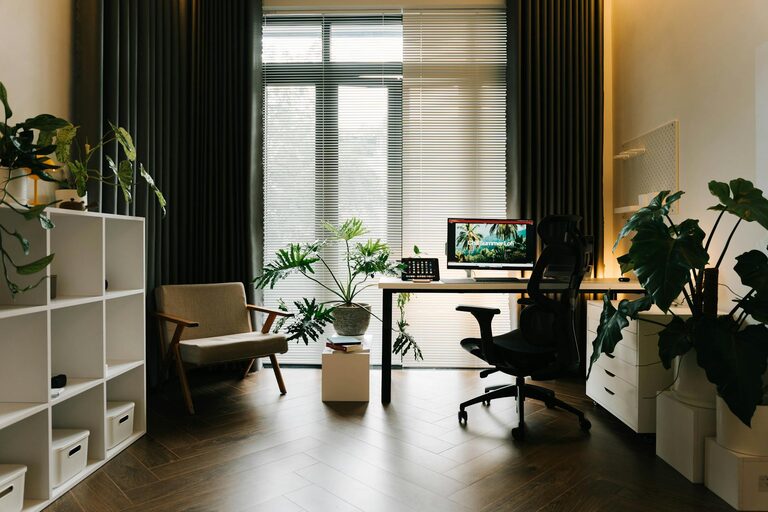
– Natural Light: Aim for a space with plenty of natural light. A desk near a window helps reduce eye strain and enhances mood.
– Low Traffic: Pick an area with minimal distractions and foot traffic to maintain focus during work hours.
– Separate Space: If possible, choose a dedicated room or nook that can function primarily as your workspace to establish healthy boundaries.
Invest in Comfortable Furniture
Comfort is key to staying productive. Spending hours in poorly designed furniture can cause discomfort and fatigue.
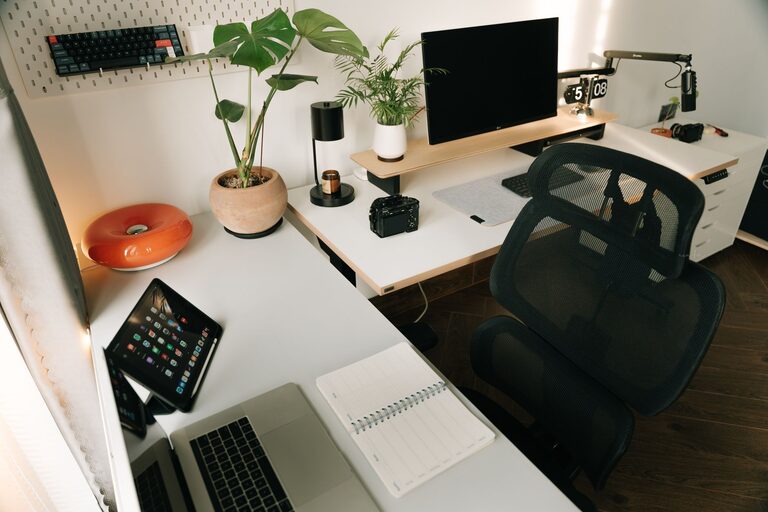
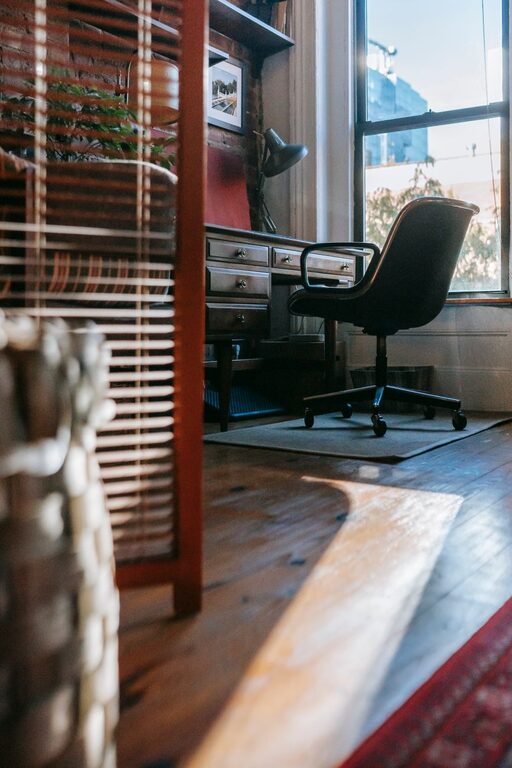
– Ergonomic Chair: Choose a chair that provides good back support and encourages proper posture to minimize discomfort.
– Appropriate Desk Height: Your desk should allow your forearms to rest comfortably parallel to the floor while typing or writing.
– Adjustable Options: Consider adjustable desks or chairs that adapt to your body’s needs and allow you to alternate between sitting and standing.
Optimize Lighting
Proper lighting helps reduce eye strain and sets the right mood for focused work.
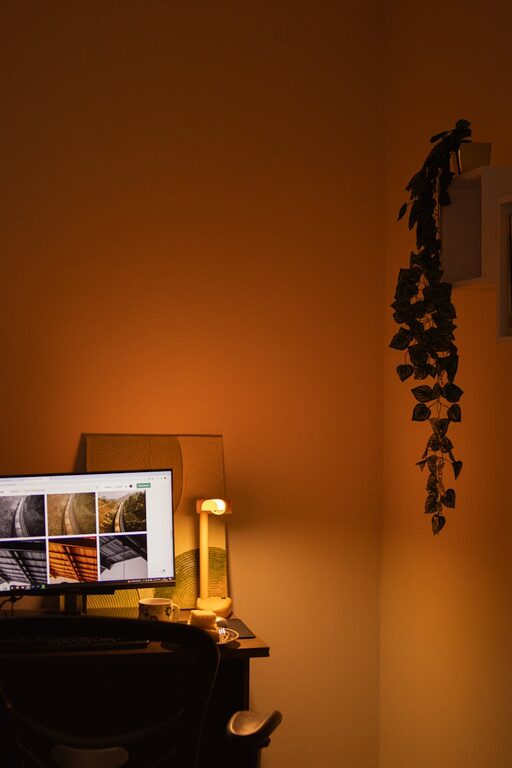
– Combine Lighting Types: Use a mix of ambient, task, and natural light to create a balanced atmosphere.
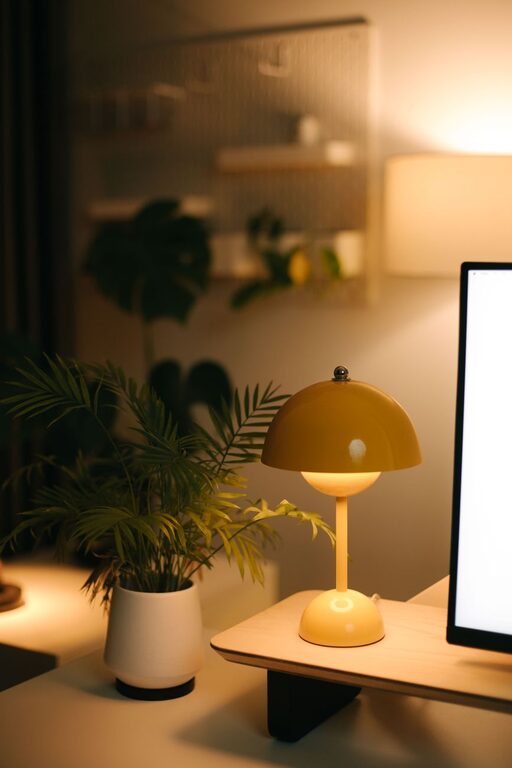
– Desk Lamps: A focused desk lamp provides direct light for reading and detailed tasks.
– Avoid Glare: Position screens and lights to reduce glare and reflections on your computer monitor.
Organize and Declutter
A tidy workspace helps clear your mind and reduces distractions.
– Storage Solutions: Use shelves, drawers, and organizers to keep supplies neat and accessible.
– Cable Management: Keep cords hidden or tied together to avoid a tangled mess.
– Regular Cleaning: Make it a habit to tidy your desk at the end of each day to start fresh the next morning.
Personalize Your Space
Adding personal touches can make your work area feel inviting and motivate you throughout the day.
– Inspiring Art: Hang pieces that inspire or calm you.
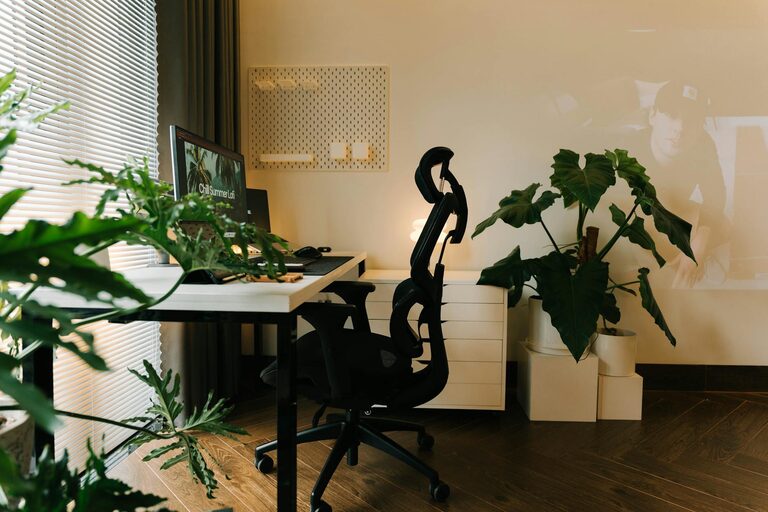
– Plants: Incorporate greenery to improve air quality and add life to your space.
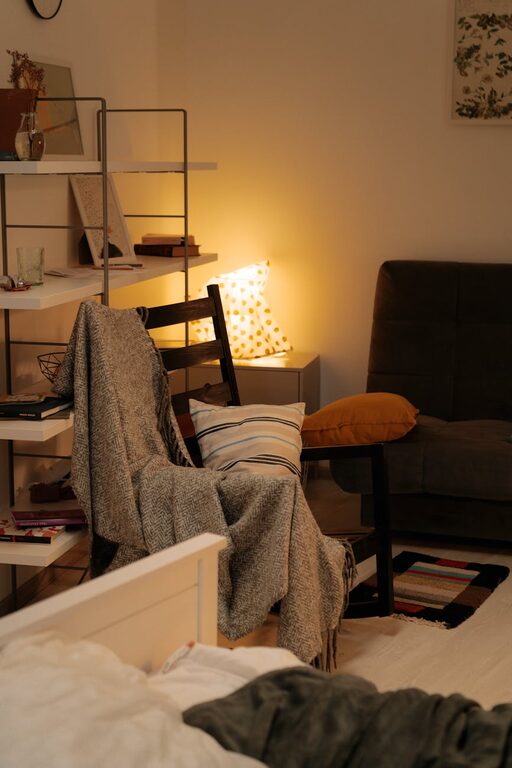
– Comfort Items: Keep cozy blankets, cushions, or a favorite mug nearby to add warmth.
Minimize Noise and Distractions
Controlling noise levels and interruptions can help maintain your focus.
– Use Headphones: Noise-cancelling headphones can block out background noise.
– Soundproofing: Add rugs, curtains, or acoustic panels if needed to reduce echo.
– Set Boundaries: Communicate your work hours to household members to minimize disruptions.
Establish Routine and Zones
Having clear work routines and zones supports productivity and mental well-being.
– Dedicated Work Hours: Set consistent start and end times to create work-life balance.
– Separate Zones: If space allows, designate areas for work, breaks, and storage to mentally separate tasks.
– Break Space: Include a comfy chair or a small corner for short breaks to recharge without leaving the room.
Use Technology Wisely
Having the right technology enhances efficiency without overwhelming your space.
– Efficient Equipment: Invest in a reliable computer, printer, and other essentials that meet your needs.
– Wireless Devices: Wireless keyboards, mice, and printers reduce cable clutter.
– Backup Power: Consider an uninterruptible power supply (UPS) to protect your work during outages.
Maintain Good Air Quality and Temperature
Comfort involves more than furniture and lighting.
– Ventilation: Ensure fresh air circulation to stay alert and comfortable.
– Temperature Control: Use fans, heaters, or air conditioning to keep the room at a comfortable temperature year-round.
Final Thoughts
Designing a cozy and productive home office doesn’t require a complete overhaul. Small changes like improving lighting, adding personal touches, and maintaining organization can make a big difference. By tailoring your space to your needs, you’ll create an environment that supports both comfort and efficiency, helping you thrive in your work-from-home routine.